
Oil Filter Guide — Why It Matters and How to Choose
Your engine's oil filter plays a vital role in removing contaminants, metal particles, and sludge from the engine oil. A quality oil filter extends engine life and maintains performance between oil changes.
How Oil Filters Work
Engine oil passes through the filter media, which traps particles as small as 25-40 microns. Clean oil then circulates back to lubricate engine components. Over time, the filter becomes clogged and needs replacement.
Types of Oil Filters
- Spin-On Filters: The most common type — a self-contained unit that screws directly onto the engine block. Easy to replace.
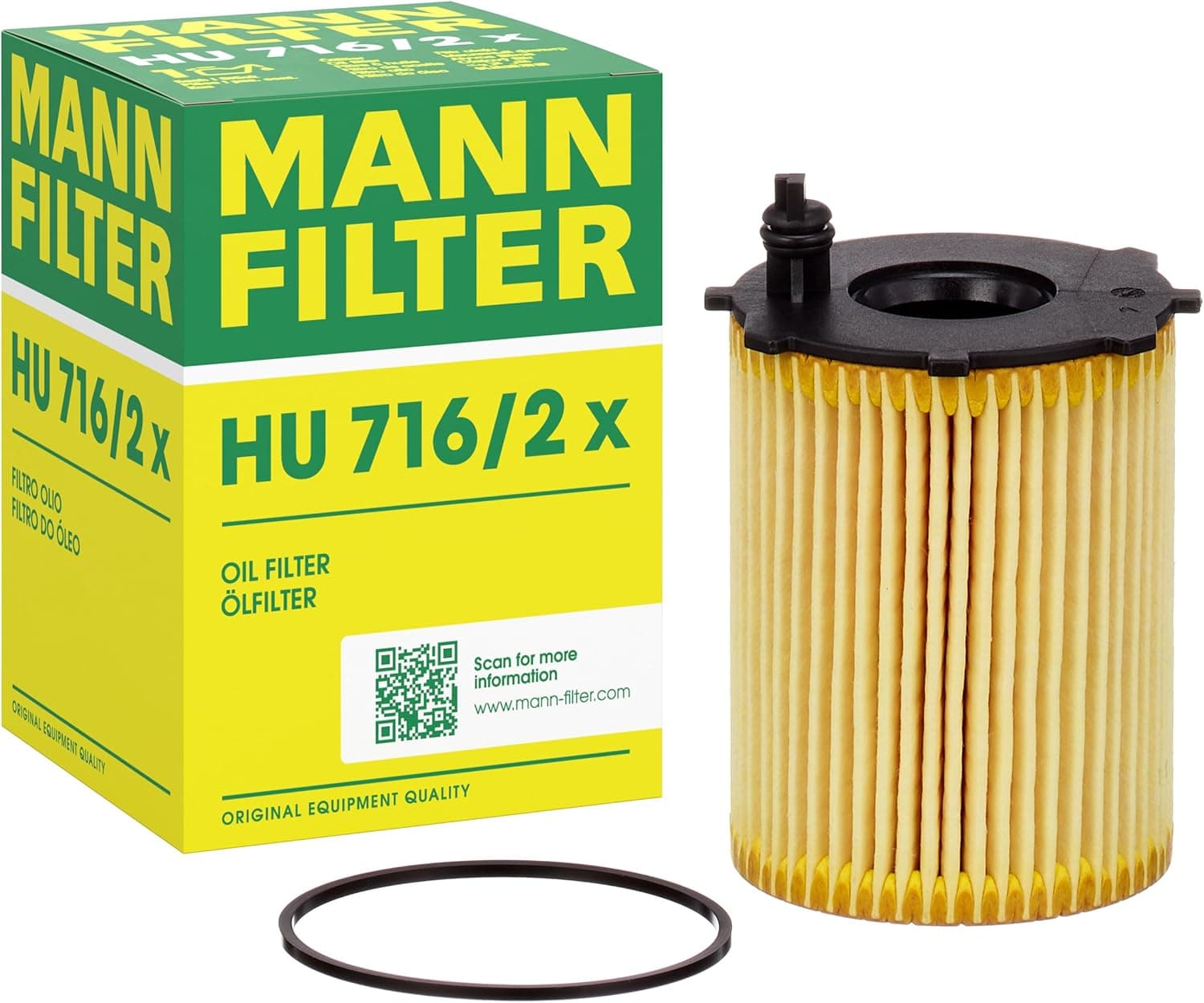
- Cartridge Filters: A replaceable filter element inside a reusable housing. More environmentally friendly and often used in newer European cars.
- Magnetic Filters: Use magnets to trap metal particles. Usually used in addition to a primary filter for extra protection.
What to Look For
- High-quality filter media (synthetic or cellulose blend)
- Anti-drainback valve to prevent dry starts
- Bypass valve for cold-start protection
- Correct thread size and seal shape for your engine
- OEM specification compliance
Recommended Change Interval
Always replace the oil filter with every oil change — typically every 10,000 to 15,000 km for synthetic oil, or every 5,000 to 7,500 km for conventional oil. Never reuse an old filter with fresh oil.
Why Mann-Filter?
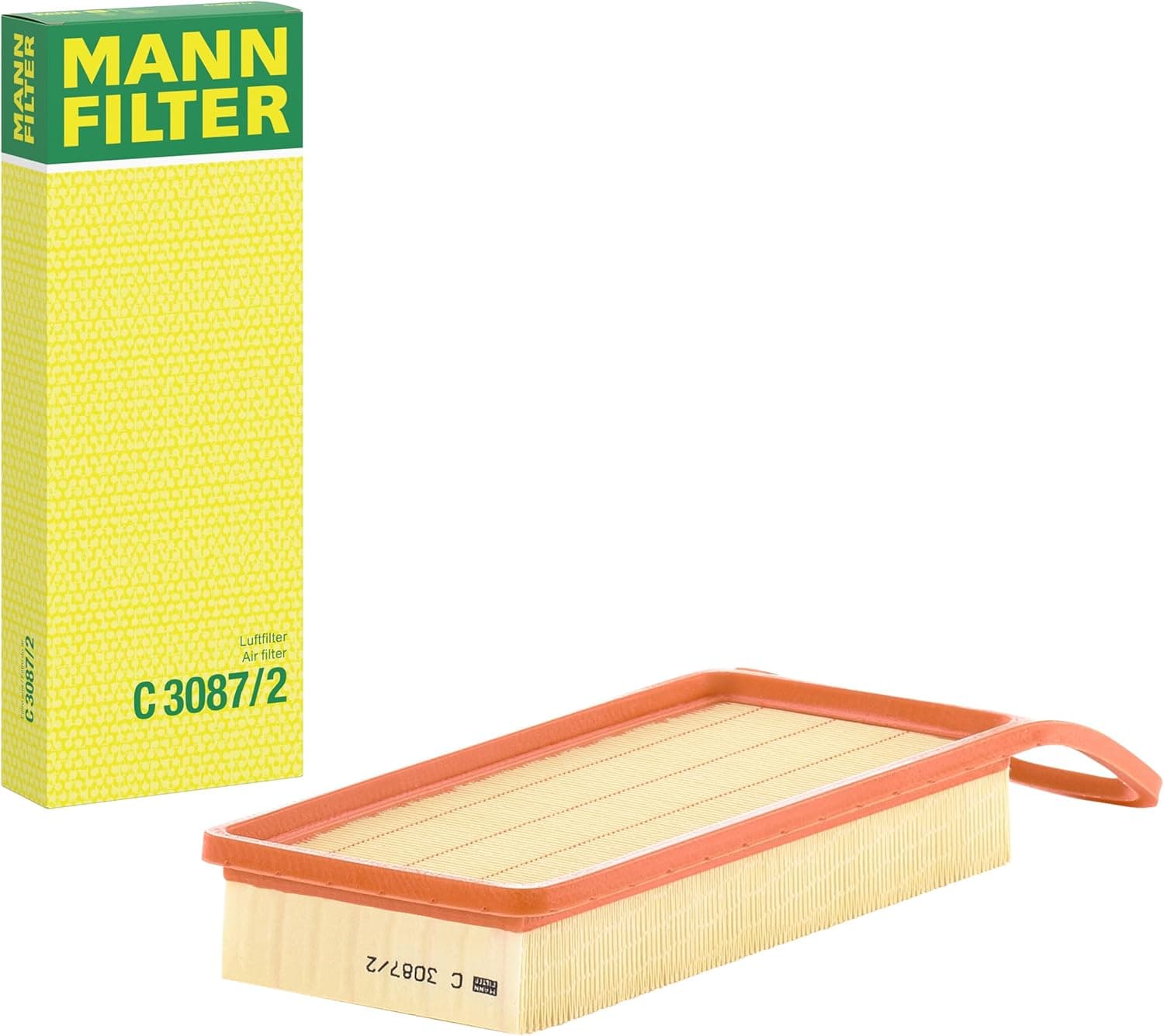
Mann-Filter is one of Europe's leading filtration brands, supplying original equipment to manufacturers like BMW, Mercedes-Benz, and Volkswagen. Their filters feature high-quality media, reliable bypass valves, and precise fitment for European vehicles.