
Brake Discs and Rotors: Complete Buying Guide
AutoParts Pro Editorial Team2026-06-13
Brake discs (rotors) work together with brake pads to stop your vehicle. Choosing the right discs is essential for braking performance and safety.
Solid vs Vented Discs
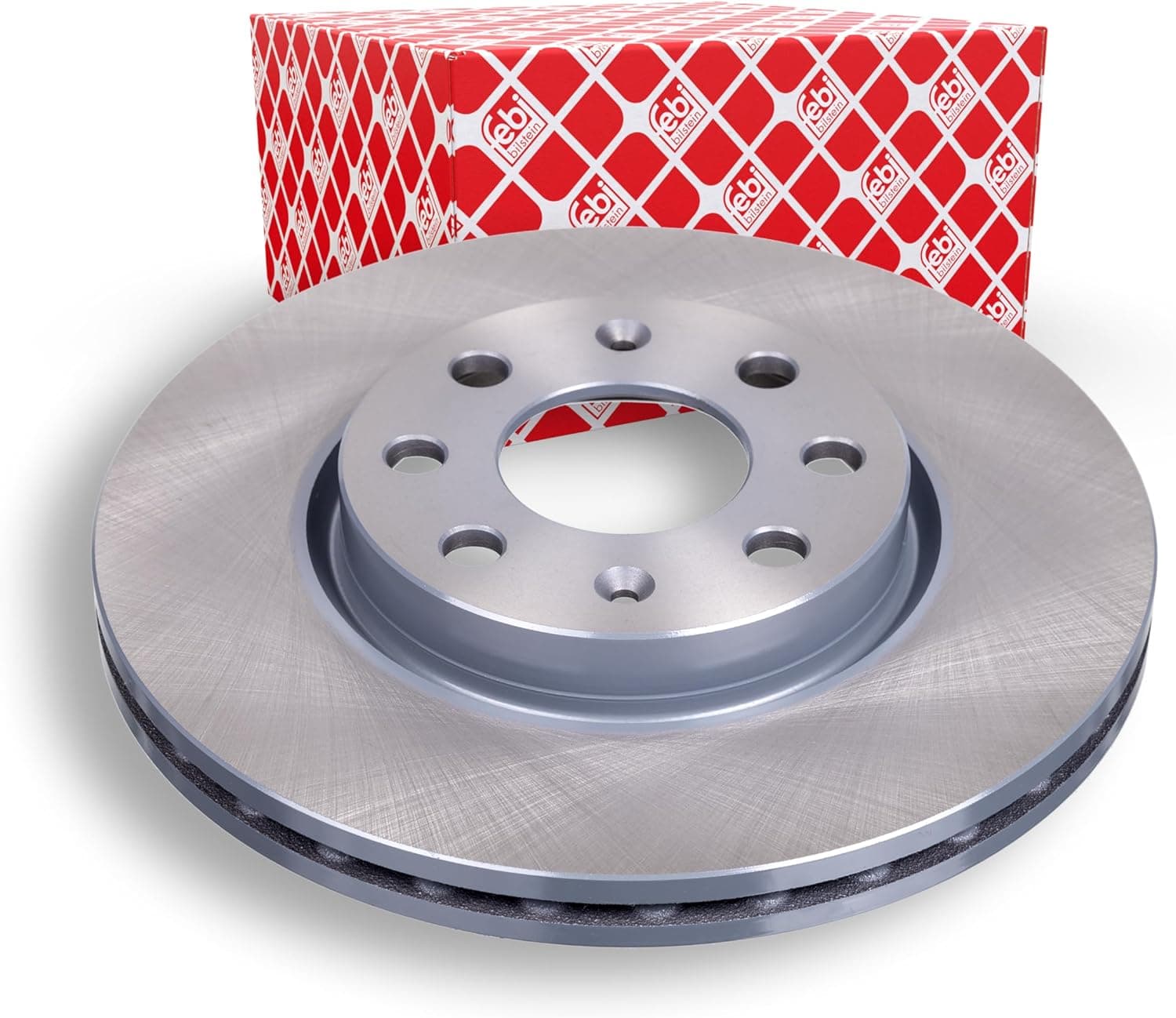
Solid discs are a single piece of metal, suitable for light vehicles and rear axles. Vented discs have a channel between two surfaces that dissipates heat more effectively, making them ideal for front axles and heavier vehicles.
Drilled vs Slotted vs Blank
- Blank/Smooth: Standard OE design, quiet operation, even wear
- Drilled: Holes for heat and gas dissipation, sporty look, may crack under extreme use
- Slotted: Grooves that clean the pad surface, excellent for performance driving
- Drilled & Slotted: Maximum cooling and cleaning, best for track use
Materials and Coatings
Most discs are cast iron. Premium options include carbon-ceramic for high-performance vehicles. Coatings like Geomet or zinc plating prevent rust on the non-braking surface.
Minimum Thickness
Every brake disc has a minimum thickness stamped on the edge. Replace discs immediately if worn below this spec. Warped or vibration-inducing discs should also be replaced.